London Weather by Month and the Best Time to Visit
London weather month by month from the Met Office's 1991 to 2020 averages: highs, lows, rain, frost and sunshine, and what each season means for a trip.
What's on in London: November 2026 · December 2026 · January 2027 · February 2027 · March 2027 · April 2027 · May 2027 · June 2027 · July 2027 · August 2027 · September 2027 · October 2027
Month guides: London in December · London in January
London is mild and changeable, with rain spread across the whole year and no dry season. Roam London read 16 guides in English, French, Italian and Spanish, and they agree on the shoulder seasons. Twelve name late spring, with May the favourite, and twelve name September or October. In numbers, May and June bring highs of 17.3°C and 20.4°C, and September 19.1°C, from the Met Office’s 1991 to 2020 averages for its Hampstead station in north London. Winter wins on price and summer on long days. The table further down has every month.
Every figure on this page comes from the Met Office, and the guides only decided which months to feature.
December and the winter months
Christmas lights and markets: 13 of 16 guides. Cheapest and quietest in January and February: 13 of 16.
Winter in London is cold and damp, and it isn’t often snowy. Highs are 10.6°C in November, 7.8°C in December, 7.5°C in January and 8.1°C in February. Lows sit between 2.3°C and 2.7°C from December to February. Air frost, meaning a night that drops below freezing, averages 7.7 days in December, 7.9 in January and 7.5 in February.
It’s also the darkest stretch of the year. Sunshine is 67 hours in November, 54 in December and 60 in January. November and December have 11.9 rainy days each, and January has 12.1. You’ll want a warm coat, a hat and a waterproof layer.
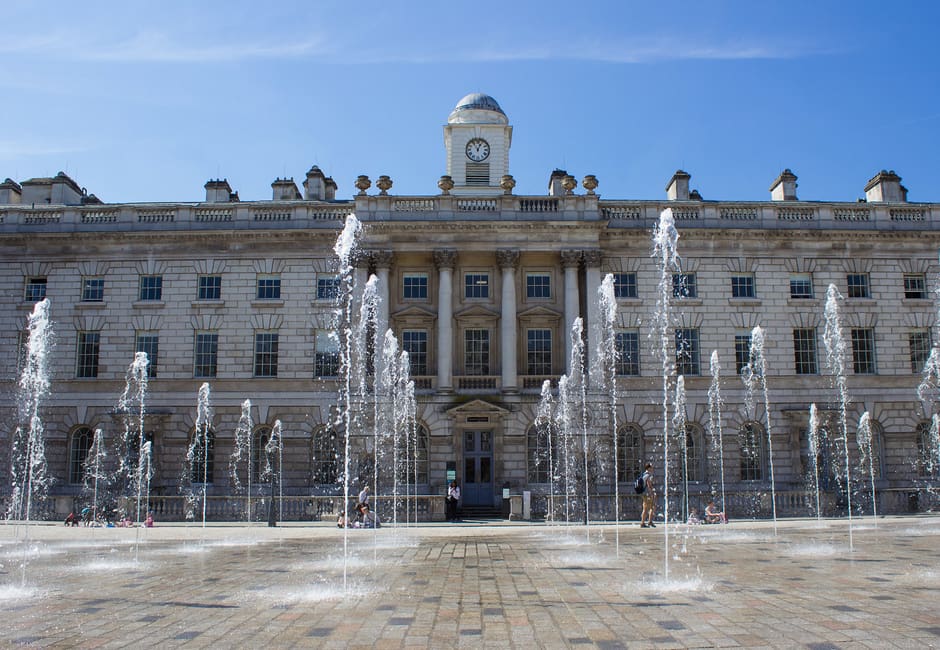
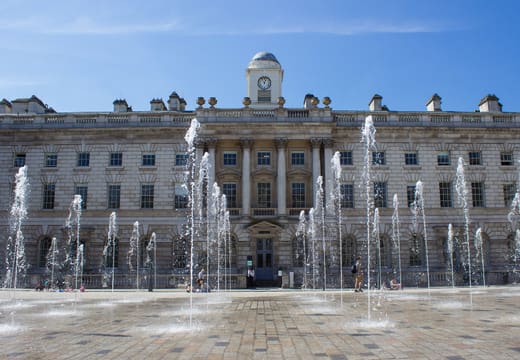
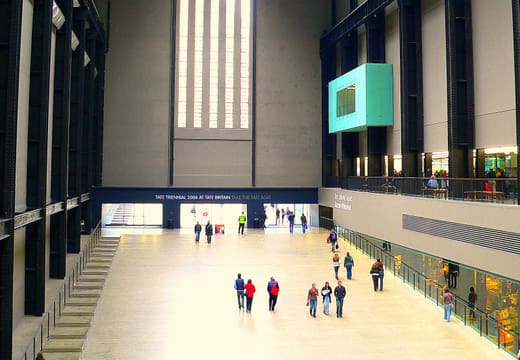
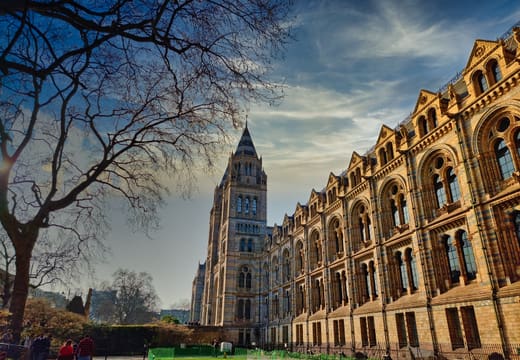
Thirteen guides give the lights, ice rinks and Christmas fairs as the reason to come in December, and the same number say January and February are the cheapest and quietest months. Somerset House is one of the December stops, and the winter events guide lists what’s on this season, including the New Year’s Eve fireworks that five guides mention. For the dull days, Tate Modern and the Natural History Museum are free to enter. Planning for 31 December? The New Year’s Eve fireworks guide covers tickets and viewing areas. Month by month, see the November, December, January and February events pages.
July and August
Busy and pricey: 13 of 16 guides. Warmest and longest days: 6 of 16.
July is the warmest month, at 22.7°C by day and 13.3°C at night, with 199.8 hours of sunshine. August is close behind at 22.3°C. August is also wetter, at 67.7 mm over 9.3 days, against 50.5 mm over 8.4 days in July. Light clothes work for most days, and you’ll still want a small umbrella.
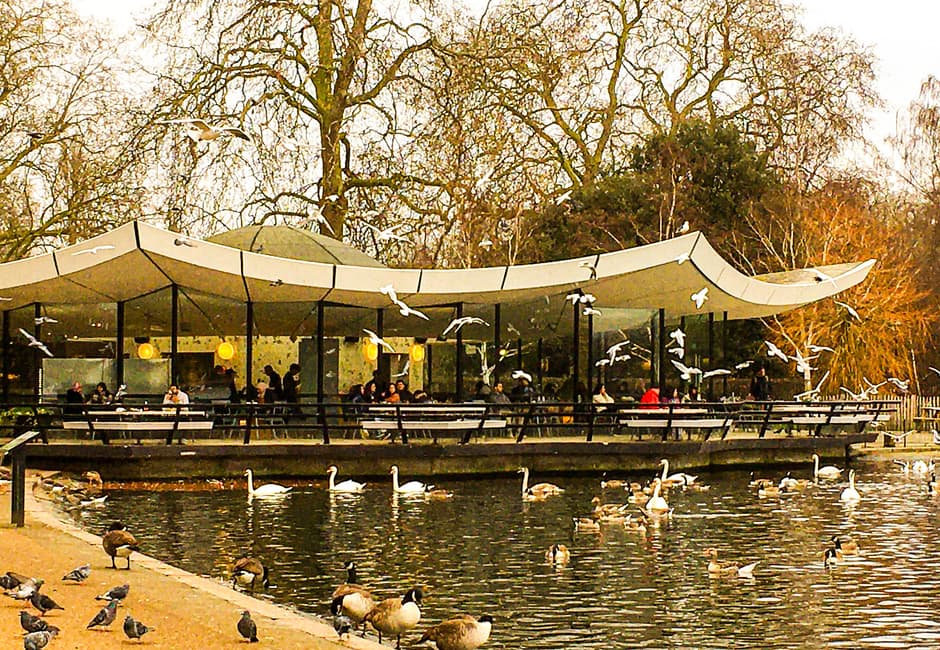
Thirteen guides warn that summer is when crowds and hotel prices peak, and six pick it for the warm weather and the long evenings. Hyde Park and its Serpentine lake are the obvious place to spend a warm afternoon. The big museums don’t close for summer, so they make a good fallback for a wet day, and the rainy day page lists the indoor options. Fourteen guides name the Notting Hill Carnival, which runs over the August bank holiday weekend. The next one is on 29 and 30 August 2027 (official site). The Notting Hill Carnival guide has the times and the transport. The July and August events pages list the summer events, and the Wimbledon guide covers the Championships on 28 June to 11 July 2027.
Late spring: April to June
Recommended by 12 of 16 guides read.
Most guides pick May and early June. Highs run from 14.1°C in April to 17.3°C in May and 20.4°C in June, and sunshine climbs from 155 hours in April to 199 hours in May. Rain stays modest, at 50.5 mm in May over 8.5 days. Nights are still cool, at 8.3°C in May, so you’ll want a light jacket in the evening.
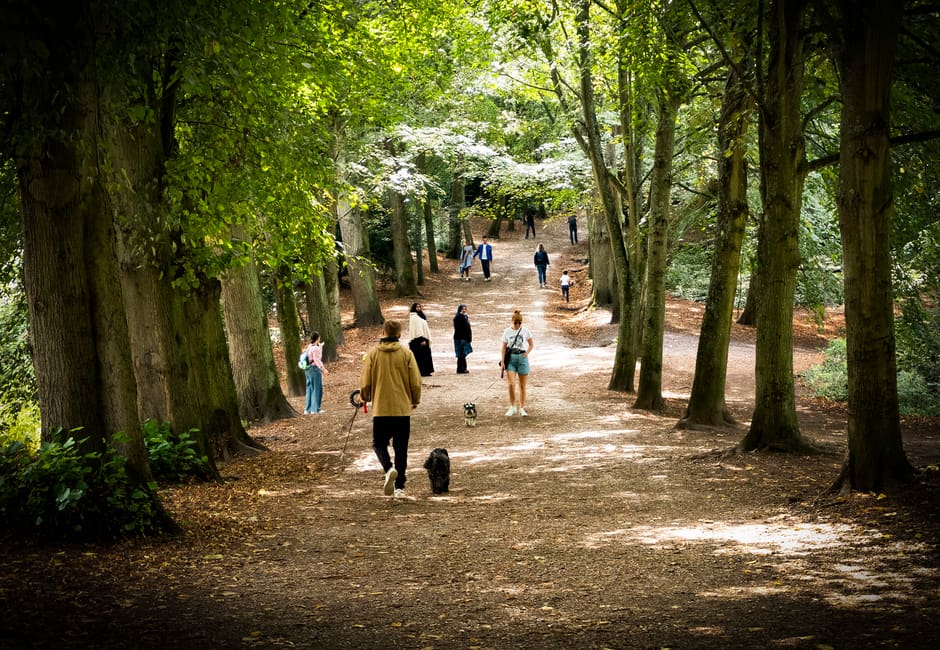
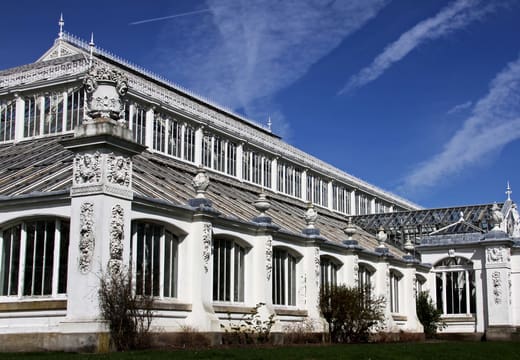
Twelve guides mention blossom and gardens as a reason to come. Hampstead Heath is free and big enough to walk for hours, Regent’s Park has its gardens in flower, and Kew Gardens is the one guides name most for spring planting. Nine guides add the RHS Chelsea Flower Show, which runs from 18 to 22 May in 2027 (official page). The May and June events pages list what’s on.
March and April
March is cool, at 10.9°C by day and 3.7°C at night, and it’s the driest month of the year at 42.8 mm. Air frost still averages 3.7 nights. April warms to 14.1°C and has 1.4 nights of frost. Sunshine rises from 114 hours in March to 155 hours in April. Layers work best, since a bright morning can turn into a showery afternoon. The March and April events pages show what’s on. The 2027 London Marathon is a two-day event on 24 and 25 April, and the London Marathon guide covers where to watch and where to stay.
Early autumn: September and October
Recommended by 12 of 16 guides read.
September is still pleasant, at 19.1°C by day and 11.1°C at night, with 59.1 mm of rain over 9.0 days. October is where autumn arrives. The high drops to 14.8°C, and it is the wettest month of the year at 78.6 mm over 11.0 days. Sunshine falls from 145 hours in September to 106 hours in October.
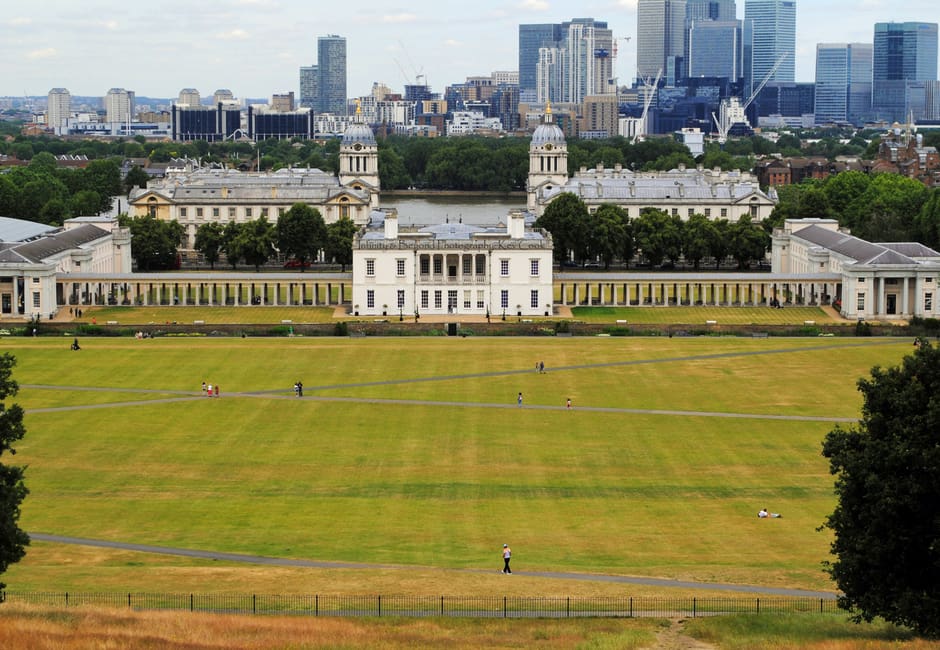
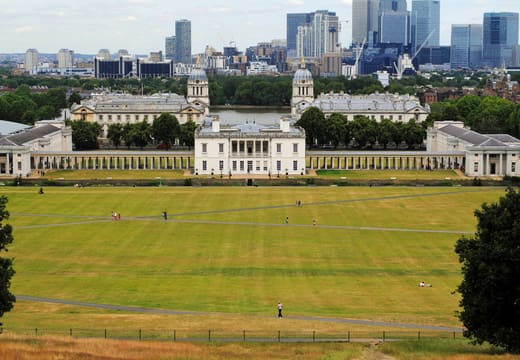
Fourteen guides point to the autumn colour in the parks, and several add that the summer crowds have thinned by then. Greenwich Park is a good autumn walk, with views back across the city from the hill, and Richmond Park is the other name that comes up often. You’ll need a waterproof in October. The September and October events pages show what’s on.
Less common picks
A few events show up in only some guides. Twelve name Wimbledon, nine name Bonfire Night on 5 November and six name Trooping the Colour in June. Four name Pride in London, which has its own guide to the 2027 parade, route and where to stay, and three the BBC Proms. If one of them is the reason for your trip, book early, since they pull in extra visitors. The tennis is on the Wimbledon site, which lists the dates for future Championships.
London weather by month
The figures are the Met Office’s long-term averages for Hampstead, over 1991 to 2020 (Met Office page). A rainy day is one with 1 mm or more of rain.
| Month | Average high | Average low | Air frost | Rain | Rainy days | Sunshine |
|---|---|---|---|---|---|---|
| January | 7.5°C | 2.3°C | 7.9 days | 69.5 mm | 12.1 | 60 h |
| February | 8.1°C | 2.3°C | 7.5 days | 51.4 mm | 10.7 | 76 h |
| March | 10.9°C | 3.7°C | 3.7 days | 42.8 mm | 9.1 | 114 h |
| April | 14.1°C | 5.5°C | 1.4 days | 49.6 mm | 9.1 | 155 h |
| May | 17.3°C | 8.3°C | 0.0 days | 50.5 mm | 8.5 | 199 h |
| June | 20.4°C | 11.2°C | 0 days | 58.5 mm | 8.7 | 194 h |
| July | 22.7°C | 13.3°C | 0 days | 50.5 mm | 8.4 | 200 h |
| August | 22.3°C | 13.4°C | 0 days | 67.7 mm | 9.3 | 188 h |
| September | 19.1°C | 11.1°C | 0 days | 59.1 mm | 9.0 | 145 h |
| October | 14.8°C | 8.3°C | 0.3 days | 78.6 mm | 11.0 | 106 h |
| November | 10.6°C | 5.0°C | 2.4 days | 75.7 mm | 11.9 | 67 h |
| December | 7.8°C | 2.7°C | 7.7 days | 68.3 mm | 11.9 | 54 h |
The Met Office’s figures are averages, and a single week can run well either side. You’ll want to check the forecast before you pack.
Which month fits you
- Mild weather and long days. May or June, or early September.
- Warmest weather. July, with August a little wetter.
- Lowest prices and quieter queues. January or February, with a coat and an indoor plan.
- Christmas lights. Late November to early January, as the winter events guide shows.
The things to do guide has plans by area, and the travel tips page covers getting around. To see what’s on for your exact dates, set them on the map or open the events page.
Frequently Asked Questions
What is the best time to visit London?
May and June, or September and October. Twelve of 16 guides read recommend late spring and twelve name early autumn. Highs are 17.3°C in May, 20.4°C in June and 19.1°C in September.
What is the cheapest time to visit London?
January and February, according to 13 of 16 guides. Expect highs of 7.5°C to 8.1°C and a lot of grey.
What is the warmest month in London?
July, with an average high of 22.7°C and a low of 13.3°C.
Which month has the most rain in London?
October, at 78.6 mm on average. January has the most rainy days, at 12.1.
What should I pack for London?
A warm coat, hat and waterproof layer from November to February. A light jacket and rain layer from March to May and in October. Light clothes with a layer for the evening from June to September.
Sources: 16 guides in English, Italian, Spanish and French, and 4 official pages
Guides in English
- What's the Best Time to Visit London? (Month-on-Month)Stasher
- When is the best time to visit London: weather, seasons and a month by month travel guideGoWithGuide
- Best Time to Visit London (Weather, Events, & More)Shortform
- Best time to visit LondonHeadout
- The Best Time To Visit LondonAiralo
- Best Time to Visit London: Weather, Events & Crowd CalendarJetpac
- Your complete month-by-month guide to the best time to visit LondonLondon Tickets
- The best time to visit LondonTime Out
- Best time to visit London, EnglandWandering Wheatleys
- Best time to visit LondonGirl Gone London
- Best Time to Visit London: A Seasonal GuideWorld of Wanderlust
- Best time to visit LondonFirebird Tours
Guides in Italian
- Il periodo migliore per visitare LondraGo City
- Londra quando andareTravel365
Guides in Spanish
- Mejor época para viajar a LondresHolidayGuru
Guides in French
- Climat et météo à LondresClimats et Voyages
Official pages
- Met Office, Hampstead long-term averages 1991 to 2020metoffice.gov.uk
- RHS Chelsea Flower Show 2027rhs.org.uk
- Notting Hill Carnival, official sitenhcarnival.org
- The Championships, Wimbledon, official sitewimbledon.com
Places in this guide
Photos show the actual places, licensed under Creative Commons and credited to their photographers.
Find hotels in London
Browse live availability and compare prices for your dates.
See hotels near London on Booking.comPrices are for the night of Saturday 28 November. You can change the dates on Booking.com. If you book, Roam London earns a small commission from Stay22 at no extra cost to you.